
WHO’S INVOLVED?
The IMPROVA consortium includes an international and interdisciplinary group of researchers and practitioners working in health, education, social sciences, computer science, teachers associations and policymakers.
PROJECT COORDINATOR
Fundació privada per a la recerca i la docència Sant Joan de Déu (FSJD-CERCA)
Fundació Sant Joan de Déu (FSJD) is a non-profit research institution whose primary goal is to contribute to the improvement of people’s health and welfare mainly in the areas of Mental Health and Maternal and Child Health. Parc Sanitari Sant Joan de Déu (PSSJD), an associated entity of FSJD, is a private non-profit institution that includes a general hospital and a large network of mental health services, which provides comprehensive mental health and disability services.
The “Impact, risk and prevention of mental disorders”, led by Dr. Josep Maria Haro, is the FSJD and PSSJD research group involved in the IMPROVA project. Our group consists of clinicians (psychiatrists, psychologists and clinical neuropsychologists, physical activity experts and pharmacologists), basic research personnel (biologists, physics), mathematicians and biostatistics with remarkable experience in clinical practice and research, and collaborates with other public health researchers. The group is part of the Centre for Biomedical Network Research on Mental Health (CIBERSAM), financed by the Carlos III Health Institute and recognised as a consolidated research group by the Government of Catalonia (AGAUR – Agency for Administration of University and Research Grants).
Parc Sanitari Sant Joan de Déu
Institut de Recerca Sant Joan de Déu


Babes-Bolyai University, Dept. of Psychology, Cluj-Napoca, Romania










Universiteit Utrecht



Ajuntament de Sant Boi de Llobregat




Institut National de la Sante et de la Recherche Medicale
Trimbos Instituut, Netherlands Institute of Mental Health and Addiction

EXTERNAL ADVISOR


SISTER PROJECTS
ADVANCE Mental Health
Mental health is a big concern in Europe, especially because of the threats of climate change, digitalisation, socio-economic inequities, migration, and aging populations. We need new ideas and innovative solutions to help vulnerable groups during these changes, not just relying on treatment in the clinical healthcare system.
ADVANCE is a project that aims to improve our understanding on mental health promotion and prevention. It will develop guidance and methodologies for creating, adapting, implementing, assessing, and expanding effective mental health initiatives for key diverse groups in European countries.

Net&Me BooTStRaP
Bootstrap will provide unprecedented scientific knowledge on the psychological mechanisms underlying (risk for) PUI and potential interventions. Improved self-management and tools to optimize healthy internet usage will promote mental health and prevent mental ill health in adolescents, and contribute to reducing stigma.

Augmented Social Play
Augmented Social Play is a new kind of experience for young people, supporting their social wellbeing and sense of belonging. Our smartphone-facilitated, face-to-face collaborative experiences combine immersive storytelling, contemporary technology and evidence-based psychology. We are developing this pioneering new format for use in schools and other settings to boost young people’s mental health by fostering a greater sense of belonging and connectedness.

SMILE
SMILE, originally “Supporting Mental Health in Young People: Integrated Methodology for cLinical dEcisions and evidence-based interventions”, is a project aimed at bolstering the mental health of young individuals in a rapidly changing society. It addresses challenges such as anxiety, depression, and societal stigmatization. The initiative is creating an Open Knowledge Platform (OKP) with digital tools for children, adolescents, and young adults aged 10 and up.

RECONNECTED
RECONNECTED is a response to multiple global developments that impact the daily life and wellbeing of European citizens. The project aims for a better understanding of how these developments influence the mental health of European citizens and offers digital solutions to nine vulnerable communities with the aim to protect their mental health.

MENTBEST
PROTECTING MENTAL HEALTH IN TIMES OF CHANGE – MENTBEST proposes the use of proven community-based interventions and innovative technologies to prevent and mitigate the mental health challenges associated with dramatic and rapid change in Europe, focusing on five vulnerable groups: migrants/refugees, older people, younger people, long-term unemployed, and those with mental disorders.

Rodrigo Atunes Lima
Rodrigo A Lima Ph.D. is the Project Coordinator for IMPROVA. He has a background in physical education and a PhD in Health Sciences. He is a Marie Skłodowska-Curie Seal of Excellence researcher fellow at Parc Sanitari Sant Joan de Déu in Spain. He is also a member of the Centre for Biomedical Network Research on Mental Health (CIBERSAM), a prestigious research centre specialised in mental health in Spain.
His main research interest is on the promotion of mental health and the prevention of mental problems in children and adolescents, especially the role of a physically active lifestyle in the promotion of mental health in youth. Rodrigo has participated in many international projects, especially in school-based interventions and cohorts focusing on various health outcomes in the youth population. Rodrigo serves as the Spanish representative of the School Mental Health International Leadership Exchange – an international body that focus on the promotion of mental health in schools.

Prof. Josep Maria Haro Abad
Josep Maria Haro is the Principal Investigator of the IMPROVA project. He is a psychiatrist and PhD in Public Health, is the head of the Research, Innovation and Teaching Unit at PSSJD and associate professor of medicine at the University of Barcelona. His main areas of research are the epidemiology of mental disorders and treatment outcomes in mental health.
He has conducted studies on the prevalence and impact of disorders in the general population and the treatment of mental disorders in primary care. Recently, he has focused on the determinants of healthy aging, analysing both the impact of physical and mental disorders and the effect of societal and environmental aspects. In 2011, he received the award of best researcher from the Spanish Society of Biological Psychiatry.
He coordinated the projects “Roadmap for mental health and wellbeing research in Europe” (ROAMER, Ref.: 282586) and the “Ageing Trajectories of Health: Longitudinal Opportunities and Synergies” (ATHLOS, Ref.: 635316), and is currently chairing the scientific committee of the H2020-funded project “EMPOWER: European Platform to Promote Wellbeing and Health in the workplace (Ref.: 848180).

Daniele Porricelli
Daniele Porricelli is the Project Manager for IMPROVA, based at Parc Sanitari Sant Joan de Déu in Spain. He holds a BSc in Psychology with Cognitive Neuroscience from Goldsmiths University in London, United Kingdom, and an MSc in Affective Disorders from King’s College London, also in the United Kingdom. His primary research interests revolve around the treatment and prevention of mental health disorders across the lifespan.
From 2019 to 2023, Daniele worked as a researcher in London, at Goldsmiths University of London and Wolfson Institute of Population Health, which is part of Queen Mary University of London. His experience in working with projects aimed at youth mental health promotion within the school system comes from his work with the DEvelopment of Emotional Resilience (DEER) study. The DEER study aimed to investigate the development and changes in emotional resilience of a cohort of students attending primary schools in some of the most diverse and deprived areas of London.

Adriana Baban
Adriana Baban is a Professor of Health Psychology and Behavioral Medicine at Babes-Bolyai University, Cluj-Napoca, and coordinator of Health Psychology MA Program and of Health Psychology Research Center. She was a regular Visiting Professor at the University of California, Los Angeles, School of Public Health, Department of Community Health Sciences, and has been acting as an International Consultant for UNICEF, WHO, European Centre for Disease Control. Her research interests include: psychosocial and behavioral dimensions of children and adolescents’ health, abuse prevention on children, counselling for health promotion and well-being among adolescents. She has published more than 160 papers, books and chapters. Adriana was awarded with the title of Fellow of European Society of Health Psychology for outstanding contributions to the development of health psychology in Europe.

Prof. Per Nilsen
Per Nilsen was born in Stockholm, but moved to Linköping in his 30’s. He is an economist from Stockholm School of Economics and has studied Information systems at Linköping University. He defended his thesis in 2006 and went on to become a professor in social medicine and public health, with focus on implementation science at Linköping University in 2014. Since 2021 he is also a professor at Halmstad University, where his focus is on AI implementation in healthcare. The scope of Nilsen’s research is broad, but since 2010 he has had a focus on implementation science, with issues concerning the uptake and use of research and new technology in healthcare. He is a prolific researcher with >200 peer-reviewed articles and several books on implementation science in Swedish and English; he was the fifth most cited social science researcher in Sweden in 2020. Nilsen has many national and international collaborations, including a long-term cooperation with several prominent researchers at Chinese University of Hong Kong, and often speaks at conferences and courses. Nilsen has considerable experience in leading and participating in large interdisciplinary research projects. He also teaches doctoral students a course in scientific writing.
He is leading the Linköping University group in the project. He collaborates with Associate Professor Kristin Thomas and Associate Professor Nadine Karlsson.

Nadine Karlsson

Petra Maresova
As Chief Excutive Officer at Betthera, Petra Maresova is responsible for the preparation of a comprehensive Health Technology Assessment (HTA) report for IMPROVA. The HTA report will be systematically assessed, considering the properties, effects, and impacts of health technologies and interventions.

Jan Hruska
Jan Hruška has Ph.D. degree in information and knowledge management and he has previous experience of health economics studies and analyses. He is responsible for the preparation of a comprehensive Health Technology Assessment (HTA) report for IMPROVA.

Lukas Rezny
Lukas Rezny is an analyst in health economics team in Betthera. In the IMPROVA project, he is responsible for setting parameters for quality of life measurement, cost effectiveness calculation and modeling scenarios for budget impact analysis.

Dr. Harald Baumeister
Prof. Dr. Baumeister is head of the Department of Clinical Psychology and Psychotherapy and the associated psychotherapeutic university outpatient clinic at Ulm University. His research concept represents a multi-methods, interdisciplinary approach on mental and behavioural health across the lifespan. The topic results in a focus that ranges from public mental health, prevention, and health promotion, psychological and psychotherapeutic treatment to rehabilitation and aftercare concepts. His main areas of expertise are research on digital mental and behavioural health, depression and anxiety, digital phenotyping, smart sensing and psychodiagnostics, psychotherapy as well as health services research.

Ann-Marie Küchler
Ann-Marie Küchler, M. Sc. Psychology, is a research associate in the Department of Clinical Psychology and Psychotherapy at Ulm University. Her main area of expertise is digital mental health promotion in adolescents and young adults and she has been working in projects such as the WHO International College Student Initiative. Her research focus is the development and evaluation of digital mental health interventions for various behavioral and psychological issues, e.g., mindfulness, procrastination, physical activity, test anxiety, and social skills. Further, she is currently completing advanced training in cognitive-behavioral psychotherapy.

Dr. Catrin Finkenauer
Dr. Catrin Finkenauer is Professor Youth Studies at Interdisciplinary Social Science, Utrecht University, Netherlands, where she participates in the interdisciplinary research program Youth in Changing Cultural Contexts. She is also scientific director of the Utrecht University interdisciplinary strategic theme Dynamics of Youth. Her interdisciplinary work seeks to understand how we can strengthen lasting social connections and supportive relationships in adolescence, especially for the most vulnerable adolescents. As scientific director promotes interdisciplinary research efforts with and for children and adolescents to improve their health, reduce inequalities, and strengthen their capacities and resilience to navigate and meet future demands and challenges.
Coriena de Heer
Coriena de Heer is a PhD candidate in the Department of Interdisciplinary Social Science at Utrecht University.

Rüdiger Pryss
Rüdiger Pryss is Professor of Medical Informatics at the Department of Clinical Epidemiology and Biometry at the University of Würzburg. He is a computer scientist and has been active in research at the interfaces between medicine, psychology and computer science for over 10 years. Main research interests are digital medicine, mobile computing, medical data engineering, AI in medicine and medical informatics expert systems. In these areas, he has already developed over 20 digital applications that are used in different types of studies on various entities in medicine and psychology.

Salut González
Sant Boi de Llobregat is a city with more than 84,000 inhabitants within the metropolitan area of Barcelona. The city pursues a constant balance between economic development, social progress and personal welfare, as envisaged in the recently approved Local Urban Agenda 2030.
One of the municipality’s main assets is its long-standing links with mental health. For this reason, the prevention of mental disorders and the promotion of healthy habits among citizens are two political priorities to address their well-being. Today, Sant Boi has one of the most relevant concentrations of actors, institutions and companies dedicated to health care in Southern Europe (many of them strongly internationalised), such as the Mental Health Cluster of Catalonia, Gasol Foundation or the Parc Sanitari de Sant Joan de Déu.
The City Council is committed to networking, building alliances and sharing leadership with social and economic agents and institutions. Sant Boi is conceived as an environment in which to experiment and test new prototypes of public policies to co-create solutions to shared urban challenges.
A multidisciplinary team with members from community health, youth and European projects fields is involved in the IMPROVA project under the leadership of the councillor for health issues, Salut González, who has a degree in Medicine from the University of Barcelona (1991) and more than 25 years of experience in the hospital sector, and Laia Álvarez, as a community health officer with a master in public health.
Laia Álvarez
Sant Boi de Llobregat is a city with more than 84,000 inhabitants within the metropolitan area of Barcelona. The city pursues a constant balance between economic development, social progress and personal welfare, as envisaged in the recently approved Local Urban Agenda 2030.
One of the municipality’s main assets is its long-standing links with mental health. For this reason, the prevention of mental disorders and the promotion of healthy habits among citizens are two political priorities to address their well-being. Today, Sant Boi has one of the most relevant concentrations of actors, institutions and companies dedicated to health care in Southern Europe (many of them strongly internationalised), such as the Mental Health Cluster of Catalonia, Gasol Foundation or the Parc Sanitari de Sant Joan de Déu.
The City Council is committed to networking, building alliances and sharing leadership with social and economic agents and institutions. Sant Boi is conceived as an environment in which to experiment and test new prototypes of public policies to co-create solutions to shared urban challenges.
A multidisciplinary team with members from community health, youth and European projects fields is involved in the IMPROVA project under the leadership of the councillor for health issues, Salut González, who has a degree in Medicine from the University of Barcelona (1991) and more than 25 years of experience in the hospital sector, and Laia Álvarez, as a community health officer with a master in public health.

Dr. Rocío García-Carrión
Dr. Rocío García-Carrión has been an Ikerbasque Research Fellow at University of Deusto since 2016. She received her PhD from the University of Barcelona (Spain) on the topic of dialogic learning and family involvement in schools as Learning Communities. She has also been Marie Curie Fellow at University of Cambridge (United Kingdom), Research Associate at Wolfson College Cambridge and visiting scholar at Harvard University. Her main research skills and interest include dialogic and interactive learning environments, inclusion of marginalized groups, family and community involvement.
She has a strong track-record leading national and international projects in the research areas previously mentioned and has worked closely with different social agents and other universities. For the IMPROVA project, she is leading Work Package 6 on Communication, Dissemination and Exploitation.

Sarah Jack
Sarah Jack is a predoctoral researcher at the Faculty of Education at the University of Deusto in the Basque Country. As part of the IMPROVA project, she is working as Communications Officer under the supervision of Dr. Rocío García-Carrión.

Lydia Krabbendam
Lydia Krabbendam is a professor and head of the department of Clinical, Neuro and Developmental Psychology of Developmental Neuropsychology at the Vrije Universiteit Amsterdam, Faculty of Behavioral and Movement Sciences, where she currently coordinates and teaches both the Neuropsychiatry for Research Master students and a course on Anxiety and Depression in Children and Adolescents for Psycholoy undergraduates. She obtained a PhD in 2000 at the Institute of Mental Health and Neuroscience (Maastricht University, the Netherlands) and continued working at this institute before moving to the Vrije Universiteit Amsterdam in 2009.
Her research focuses on the neural and behavioural mechanisms of social cognitive development in adolescence. In particular, with a particular interest in the mutual relationships between the social environment, social cognitive development and wellbeing. She has adapted game- theoretical approaches to study the neural and behavioural mechanisms of real-time social interactions in typical and atypical development (personal NWO VIDI grant; 2007-2012). She also developed and applied systematic approaches to study the relationship between cultural orientation and social-cognitive development (personal NWO VICI grant; 2012-2018).
Her recent work focuses on the interactions between social network position and structure and social-cognitive development and psychopathology in adolescence (ERC Consolidator grant; 2015-2021). She is also involved in the international project ALIVE (Improving Adolescent mentaL health by reducing the Impact of poVErty, 2021-2026) funded by the Wellcome Trust, and is co-PI of the recently awarded Gravitation grant with the GUTS consortium (Growing Up Together in Society, PI Eveline Crone, 2022-2032) which investigates individual differences in developmental trajectories from early adolescence until young adulthood.
In the IMPROVA consortium she is involved in Work Package 1: Determinants of mental health and wellbeing in adolescents.

Hester Sijstma
Hester Sijtsma is a postdoctoral researcher in Clinical, Neuro- and Developmental Psychology at Vrije Universiteit Amsterdam. Her research is focused on the development of social behavior, social cognition, and the brain during adolescence. Specifically, her PhD research was focused on the interplay between the development of adolescent trust behavior, friendships, subclinical symptoms, and the brain.
Maria Melchior
Maria Melchior is Research Director at the French National Institute of Health and Medical Research (INSERM) (ScD in Social Epidemiology at Harvard University). Her research focuses on social inequalities in mental health, with a particular emphasis on developmental trajectories from childhood to adulthood and intergenerational transmission. Most projects have relied on data collected in longitudinal cohort studies of children set up in France (EDEN, ELFE, TEMPO) or other countries (ELDEQ in Canada, DNBC in Danemark).
Maria Melchior received the Research Prize of the European Psychiatric Association (2012) and the Early Career Award of the International Society of Behavioral Medicine (2004) and France’s Addiction Research (2018). She is the author or co-author of over 180 publications in international peer-reviewed journals. Her research is funded by France’s national research agency (ANR), France’s Addiction Fund, and the European Union (H2020, ERC Consolidator 22021-2025).

Judith van der Waerden
Judith van der Waerden obtained her PhD (2011) at Maastricht University, the Netherlands, in the field of public health and health promotion.. From 2013 to 2016 she worked as a postdoctoral researcher and research fellow in the ERES team, studying the relations between social risks, parental psychopathology and addictive behaviors and child mental health.
In 2017 she was appointed as a research associate at the French National Institute of Health and Medical Research (INSERM). Her research focuses on identifying the role of moderating contextual factors and population-specific causal pathways in the association between parental psychological difficulties and children’s development. She is also interested in the evaluation of interventions that contribute to the prevention of mental health problems in children and their parents.

Murielle Mary-Krause
With a PhD in Biomathematics, Murielle Mary-Krause is epidemiologist at the Pierre Louis Institute of Epidemiology and Public health (INSERM – Sorbonne University) in Paris, France.
After more than 30 years studying the clinical epidemiology of HIV infection, especially complications associated with this infection,using data from the cohort named “the French Hospital Database on HIV” (ANRS CO4-FHDH), Murielle joined the Social Epidemiology Research Team (ERES) in April 2016. Her research focuses on trajectories of psychoactive substances consumption, such as tobacco, alcohol and cannabis, and the factors associated with these consumptions, among young people and adults, based on data from the TEMPO cohort. In collaboration with the Paris education authority, she coordinates the study named «ADOS sans TABAC» (“Teenagers without Tobacco”), which follows the study named «Paris sans tabac» (“Paris without tobacco”), organized since 1991 in Parisian high schools and middle schools. The aim of this yearly study is to study the smoking behavior of student from a randomized clustered sample of classes. She also works on the use of psychoactive substances in the workplace in collaboration with AIST83. She is the author or co-author of nearly 70 publications in international peer-reviewed journals.

Laura Shields-Zeeman
Laura Shields-Zeeman is the Head of the Public Mental Health Department at the Trimbos instituut and professor in Population Mental Health at Utrecht University. She advises various stakeholders on the development on mental health policies and her main areas of interest are in implementation of interventions that prevent mental ill-health and evaluating reforms of mental health systems, and intervening on social determinants of health to improve mental health outcomes over the life course.

Felix Bolinski
Felix Bolinski is research associate at the Trimbos instituut. He works on and leads a number of national and international projects aimed at mental health system transformations, policy changes, and improving the mental health of people across the life course. He has a background in clinical psychology with a specific focus on digital mental health interventions for young people.
Anaïs Le Corvec
Co-founder of Cliclab Transformative Agent. Anaïs is a specialist in international research management. She has worked as a consultant related to research assessment and project implementation. Her research fields cover areas such as Health, Information and Communication Technologies, International Cooperation, and Innovation. She holds a Business Administration degree from the University of Montreal Business School HEC, with specialization in Marketing and International management. Established in Barcelona since 2001, she has been working as an International Research Advisor for the Vall d’Hebron Institute of Research, as a EU funded project managers for several entities like the University of Barcelona, the Fundacio Ciutat de Viladecans, and acted as Outreach coordinator for the European Science Open Forum ( ESOF). She also works as an expert reviewer for the European Commission in Research management related topics. As well as managing director in the Council of European Bioregions.

Elisabet del Valle

Miguel Castañeda

Prof. David Lubans
Prof. David Lubans is one of the world’s leading authorities on physical activity promotion in children and adolescents. He received his undergraduate degree in Human Movement and
Health Education from the University of Sydney (1995) and his PhD from the University of Oxford (2005). Prof. Lubans is a former Australian Research Council Future Fellow and current National Health and Medical Research Council Senior Research Fellow. He is currently the Deputy Director of the University of Newcastle’s Centre for Active Living and Learning. In 2022, he joined the Faculty of Sport and Health Sciences at the University of Jyväskylä as a Visiting Professor.
The major focus of his multi-disciplinary program of research has been the design, evaluation, and dissemination of school-based physical activity interventions. Much of his research has involved inter-sectoral partnerships with government and non-government organisations. Lubans has published seven book chapters and over 300 journal articles across multiple fields of research (i.e., education, psychology, exercise science, and public health). His outputs have attracted over 30,000 citations on Google Scholar (h-index = 86, Scopus = 65). Professor Lubans has been recognised as a ‘Clarivate Highly Cited Researcher’ (top 1% most cited for subject field and year of publication) for the past four years (2019, 2020, 2021, and 2022).
IMPROVA utilized the SAAFE principles to develop a module for physical education teachers, incorporating materials provided by Dr. Lubans.

Prof. Pim Cuijpers
Pim Cuijpers is Professor of Clinical Psychology at the Vrije Universiteit Amsterdam, The Netherlands and director of the WHO Collaborating Centre for Research and Dissemination of Psychological Interventions in Amsterdam. He is specialised in conducting randomised controlled trials and meta-analyses on prevention and psychological treatments of common mental disorders across the life span. Much of his work is aimed at prevention of mental disorders, psychological treatments of depression and anxiety disorders, and Internet-delivered treatments.
He has also published on several other research topics, including global mental health and student mental health. Pim Cuijpers has published almost 1,200 peer-reviewed papers, chapters, reports and professional publications, including more than 970 papers in international peer-reviewed scientific journals. He is on the Thomson-Reuter Web of Science lists of the ‘highly cited researchers’ since the first edition of this list in 2014 (http://highlycited.com/).

Dr Tom Chen
Dr. Tom Chen is an Associate Professor at the Canberra Business School, University of Canberra, specialising in marketing and transformative service research. Additionally, he holds an Honorary Associate Professorship at the National Centre for Epidemiology and Population Health, Australian National University. After earning his PhD from Queensland University of Technology in 2011, Chen has focused his research on co-creation and engagement, and the psychological states of co-creative consumers.
His research interests also extend to public health service provision, digital health platforms, and healthcare wellbeing. In 2020, Chen was recognised as «Australia’s Research Field Leader in Marketing» by The Australian. Furthering his contributions, he co-founded the Co-creation in Service and Customer Engagement Symposium and the Sharing Smart Cities Consortium.
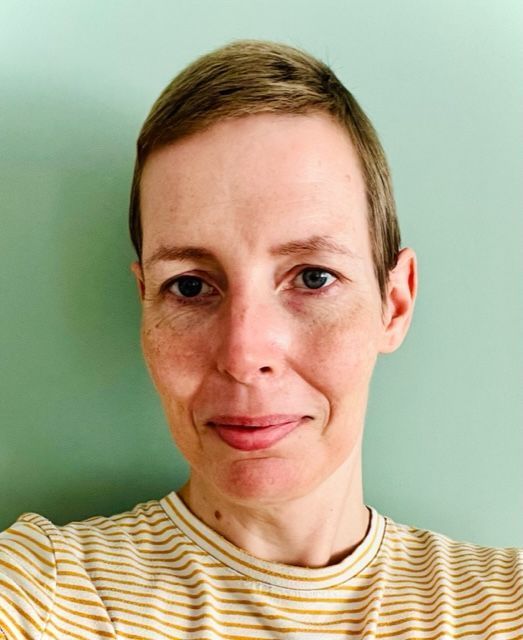
Marloes Kleinjan
Marloes Kleinjan is the Head of the Youth department at the Trimbos instituut and professor of Youth Mental Health Promotion at Utrecht University. She is involved in several large national studies on youth mental health and substance use. She also works on multiple integral prevention and intervention programs on mental health and substance use. With her research, she aims to contribute to the development of effective mental health and prevention policies.
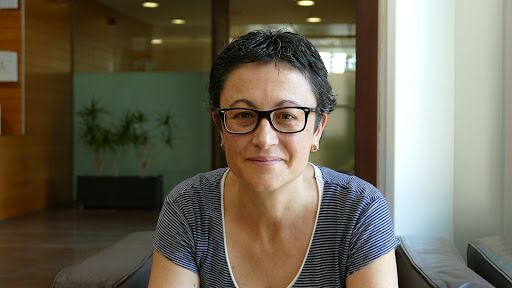
Joana Porcel-Carbonell
Joana Porcel-Carbonell, PhD in Neuropsychology, University of Barcelona; Clinical Psychologist. She has worked as a clinical neuropsychologist at the Traumatic Brain Injured Association (1996-2002), and at the Vall d’Hebron University Hospital of Barcelona, as a psychologist and researcher at the Multiple Sclerosis Unit (1996-2006).
From 2006 onwards, she works on research management, first at the pharma sector (2006-2009), on project management, monitoring, GPCs training, scientific writing, and contract negotiation. In 2009, she moved to the Center for Research in Environmental Epidemiology, integrated with ISGlobal in 2016, where she leads the Projects Unit. Main responsibilities: Strategic planning and policy development; Scientific agenda management; Ethical issues – GSP and Personal data protection.
Regarding to Ethics and Integrity, she provides support to researchers on ethics issues. She is an ethics advisor in EU projects and collaborates with the European Commission as an independent ethics expert since 2019. Regarding personal data protection, she coordinates a dedicated working group at the institution since 2017 for the adaptation and follow-up to the GDPR requirements. She was appointed as the ISGlobal Data Protection Officer in 2018. She teaches ethics and data protection in several international courses and master courses.
Since 2013, she is a representative member at the PRBB Good Scientific Practices Working Group. Since 2018, she has been core member of the Research Ethics and Integrity Officers Network (ERION-EARMA), and from Sep 2022, she is co-chairing ERION.